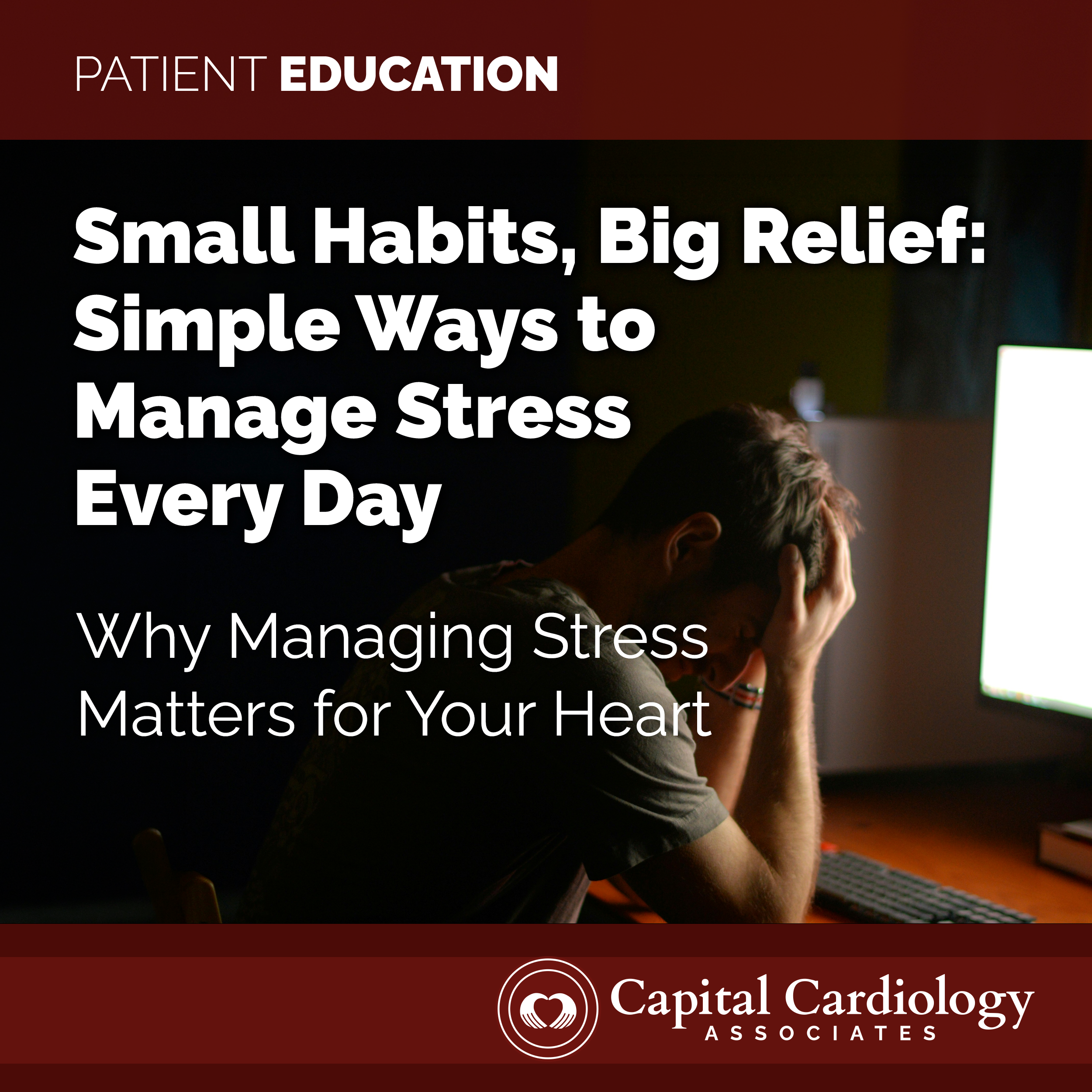
April is Stress Awareness Month
Building Your Personal Stress Toolkit
Stress is something nearly everyone navigates — at work, at home, and everywhere in between. While it is not always possible to eliminate the sources of stress in daily life, it is possible to change how the body and mind respond to them.
This month, as part of Stress Awareness Month, we are focusing on practical, everyday strategies that can help reduce stress and support overall well-being. These are not complicated or time-consuming — they are small, sustainable habits that add up over time.
Start With What You Can Control
One of the most effective ways to reduce the feeling of being overwhelmed is to focus attention on what is within your control. When stress feels all-encompassing, narrowing focus to a single next step, rather than the entire picture, can help restore a sense of calm and momentum.
Try this: At the start of each day, write down three things you can realistically accomplish. Checking even small items off a list can shift your mindset and reduce the mental clutter that feeds stress.
Get Outside
Nature has a surprisingly powerful effect on stress. Even brief time outdoors, a short walk, sitting in a park, or simply stepping outside for fresh air — can help quiet a busy mind. The Capital Region offers no shortage of green space, trails, and waterways. Taking advantage of them, even for 15 minutes, is a simple and free way to reset.
Watch What You Reach For
When stress levels rise, it is common to reach for comfort — whether that is extra caffeine, sugary snacks, or alcohol. While these may offer a momentary sense of relief, they can leave the body feeling worse and make it harder to manage stress over time.
Instead, staying well-hydrated, eating regular balanced meals, and limiting caffeine in the afternoon can help stabilize energy and mood throughout the day.
Protect Your Sleep
Sleep and stress have a complicated relationship, stress can make it harder to sleep, and poor sleep makes stress harder to manage. Breaking that cycle starts with a few consistent habits:
Set a regular bedtime and wake time, even on weekends
Avoid screens for at least 30 minutes before bed
Keep the bedroom cool, dark, and quiet
Avoid large meals or vigorous exercise close to bedtime
Even modest improvements in sleep quality can make a noticeable difference in how stress feels day to day.
Find Your Exhale
Mindfulness does not have to mean meditation. For many people, the most effective stress relief comes from activities that bring them fully into the present moment: cooking, gardening, reading, painting, playing music, or spending time with a pet.
The key is finding something that allows the mind to rest. Whatever that activity is for you, protecting time for it is not a luxury, it is maintenance.
Simple breathing reset: Inhale slowly for four counts, hold for four, exhale for four. Repeat three to five times. This can be done anywhere and takes less than two minutes.
Lean on Others
Stress tends to feel heavier in isolation. Talking openly with a trusted friend, family member, or community, even briefly, can provide perspective, comfort, and a reminder that you are not alone.
If stress feels persistent, unmanageable, or is affecting daily functioning, speaking with a mental health professional is a meaningful and effective step. Primary care providers are also a great starting point for connecting to the right support.
A Note on Awareness
Recognizing stress for what it is, and taking it seriously, is itself an act of self-care. Stress Awareness Month is a good reminder that managing stress is not about achieving a stress-free life. It is about building enough resilience and routine that stress does not run the show.
At Capital Cardiology Associates, we encourage our patients and community to treat their overall well-being as an important part of their heart health. If you have questions or concerns, your care team is always here to help.
This content is provided for informational and educational purposes only and is not intended as medical advice, diagnosis, or treatment. It should not be used as a substitute for professional medical guidance from your physician or other qualified healthcare provider. Always seek the advice of your healthcare provider with any questions regarding a medical condition. If you are experiencing a medical emergency, call 911 immediately.